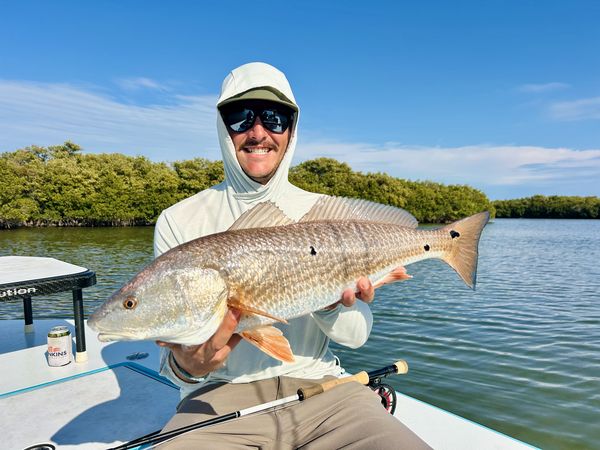
Transition season
Capt. Tanner Martin
June 23, 2026
Crystal River - Saltwater Fishing Report

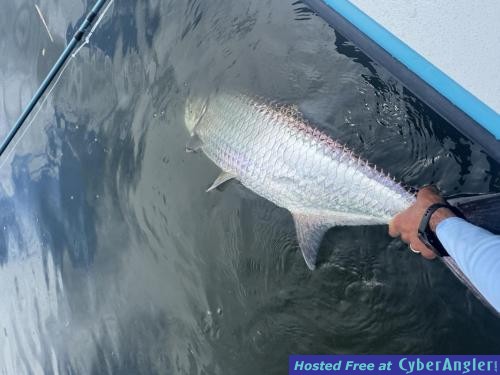
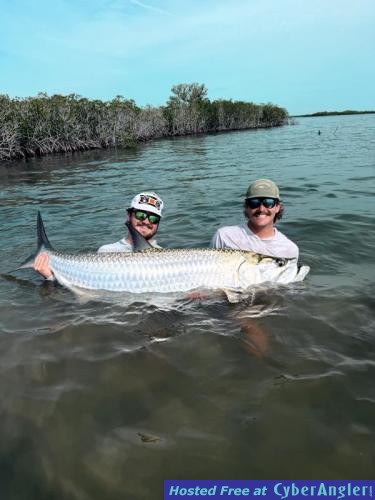
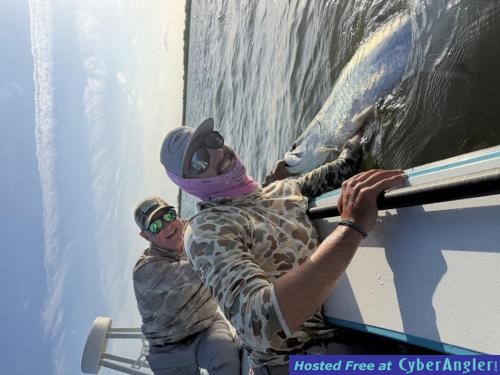
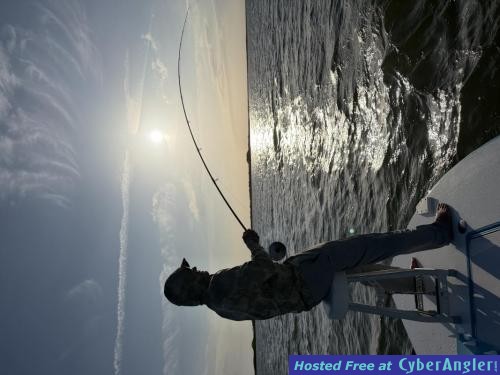
Tarpon season in Homosassa remained strong throughout the early April all the way till the end of June, with anglers finding consistent action along the coastal rivers, backcountry channels, and nearshore flats. As water temperatures stabilized and bait concentrations increased, schools of migratory tarpon continued to move through the area, providing exciting opportunities for both fly and conventional anglers. Early mornings and late afternoons produced the best bite, and well-presented flies drawing bites from fish ranging from 60 to well over 100 pounds. While weather patterns occasionally limited opportunities, anglers who timed the tides and focused on bait-rich areas were rewarded with a good time.
As we transition into scallop season, many local anglers are beginning to split their time between chasing silver kings and preparing for family-friendly days on the water harvesting scallops. The arrival of scallop season brings increased boating activity throughout Homosassa and Crystal River's coastal waters, but tarpon fishing is expected to remain productive well into the summer months. Anglers targeting tarpon should plan around peak recreational traffic and take advantage of early starts to maximize fishing success before heading offshore to enjoy the area's renowned scallop grounds. With healthy fish populations and another promising scallop season ahead, Homosassa and Crystal River continue to offer some of the Gulf Coast's most diverse summer fishing opportunities.
Crystal River Fishing Forecast:

In the coming early-summer window across Citrus County—especially around Crystal River and Homosassa in the inshore waters of the Gulf of Mexico—conditions are lining up for a solid mix of scalloping and early-morning inshore fishing. Mornings are the key period, with the best action and clearest water typically from first light through about 9–10 a.m. before wind and boat traffic start to reduce visibility over the grass flats. Red drum will be most active on moving tides along shallow grass edges, oyster bars, and mangrove shorelines, pushing into very skinny water at dawn to feed on mullet, shrimp, and pinfish before sliding off into slightly deeper edges as the sun rises.
Target Species:
Scallops, Redfish, Trout, Tarpon
More Fishing Reports: